Cooling the Earth
from the
Surface Up.
Protecting communities from extreme heat today. Helping cool the planet for generations to come.
Extreme heat is already changing our world.
Global temperatures are rising at an unprecedented rate. As the planet warms, extreme heat is becoming more frequent and more intense, placing growing pressure on communities, ecosystems and infrastructure. While reducing emissions remains essential, practical solutions are also needed to help people adapt today.
Turning climate science into practical cooling solutions.
MEER is an independent nonprofit research organisation developing and testing practical cooling technologies that help communities adapt to extreme heat. By combining science, engineering and real-world field deployment, we create solutions that deliver measurable impact today while contributing to a more resilient future.
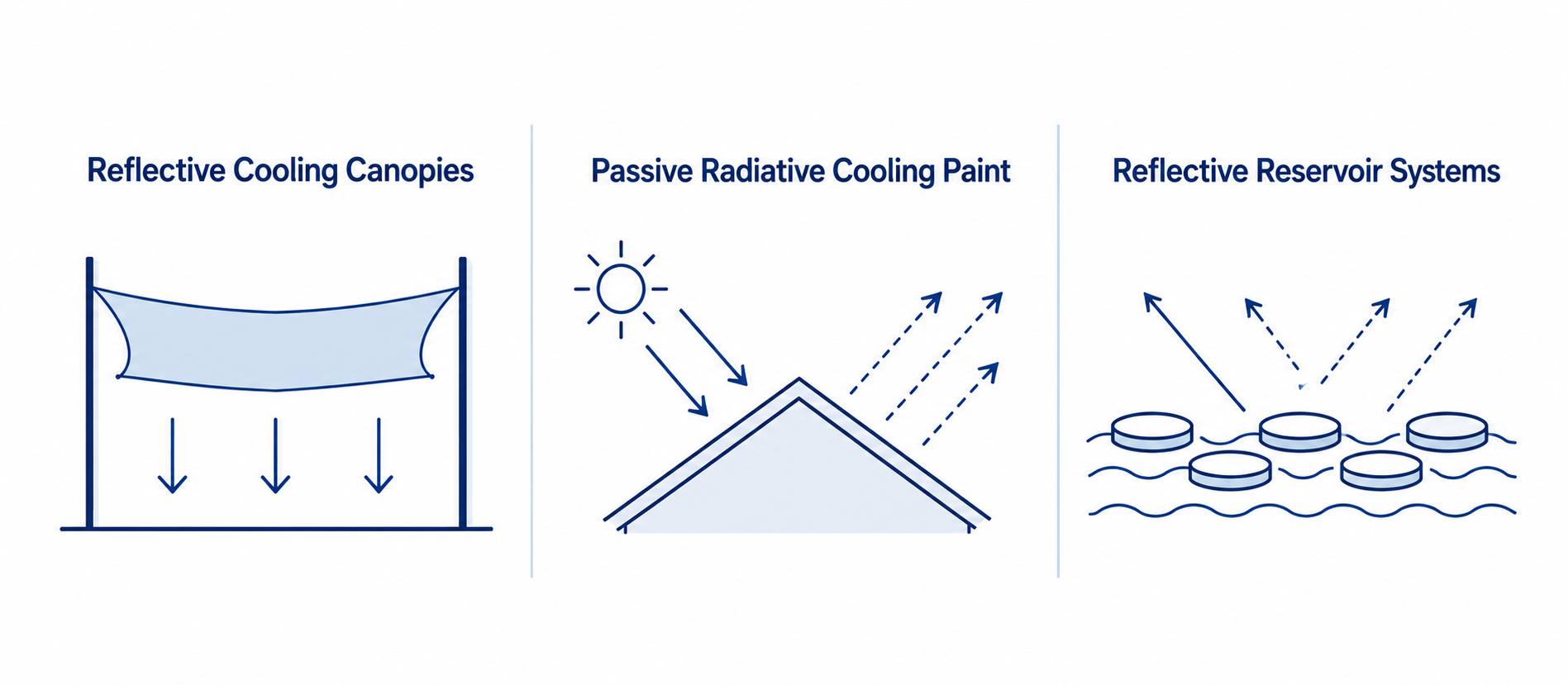
Reflective canopies · PDRC cooling paint · Water cooling systems
Cooling is key.
Reducing emissions is essential, but it won’t cool the planet fast enough to help those suffering now. Most climate solutions focus on reducing emissions or removing carbon. Both are important, but neither directly reduces heat today.
Playing muted · use the volume control to unmute
Reflecting sunlight. Reducing heat.
Our passive cooling technologies use two natural processes to keep surfaces cooler under the sun. By reflecting more sunlight and releasing heat back into the sky, we help reduce temperatures in cities, protect water resources and support agriculture.
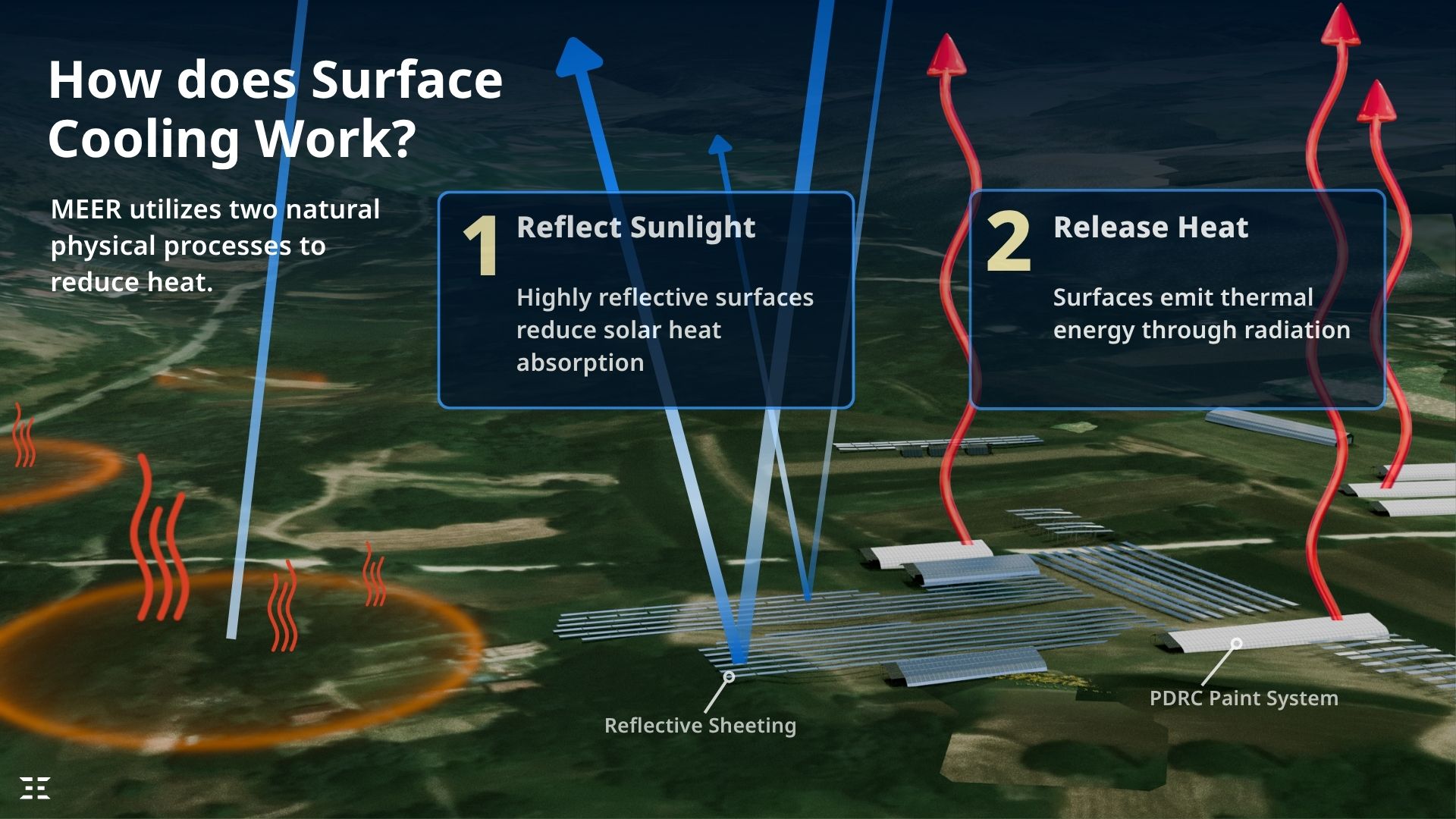
High-albedo surfaces send solar radiation back before it becomes heat.
Cooler surfaces radiate and convect less heat into surrounding air.
Cooler surfaces mean less water vapor — the strongest natural greenhouse gas.
PDRC materials emit thermal infrared through the atmospheric window.
Where cooling makes the greatest difference
As temperatures rise, extreme heat is placing increasing pressure on people, food production and freshwater supplies. MEER develops practical cooling solutions that help communities adapt by reducing heat where it matters most.
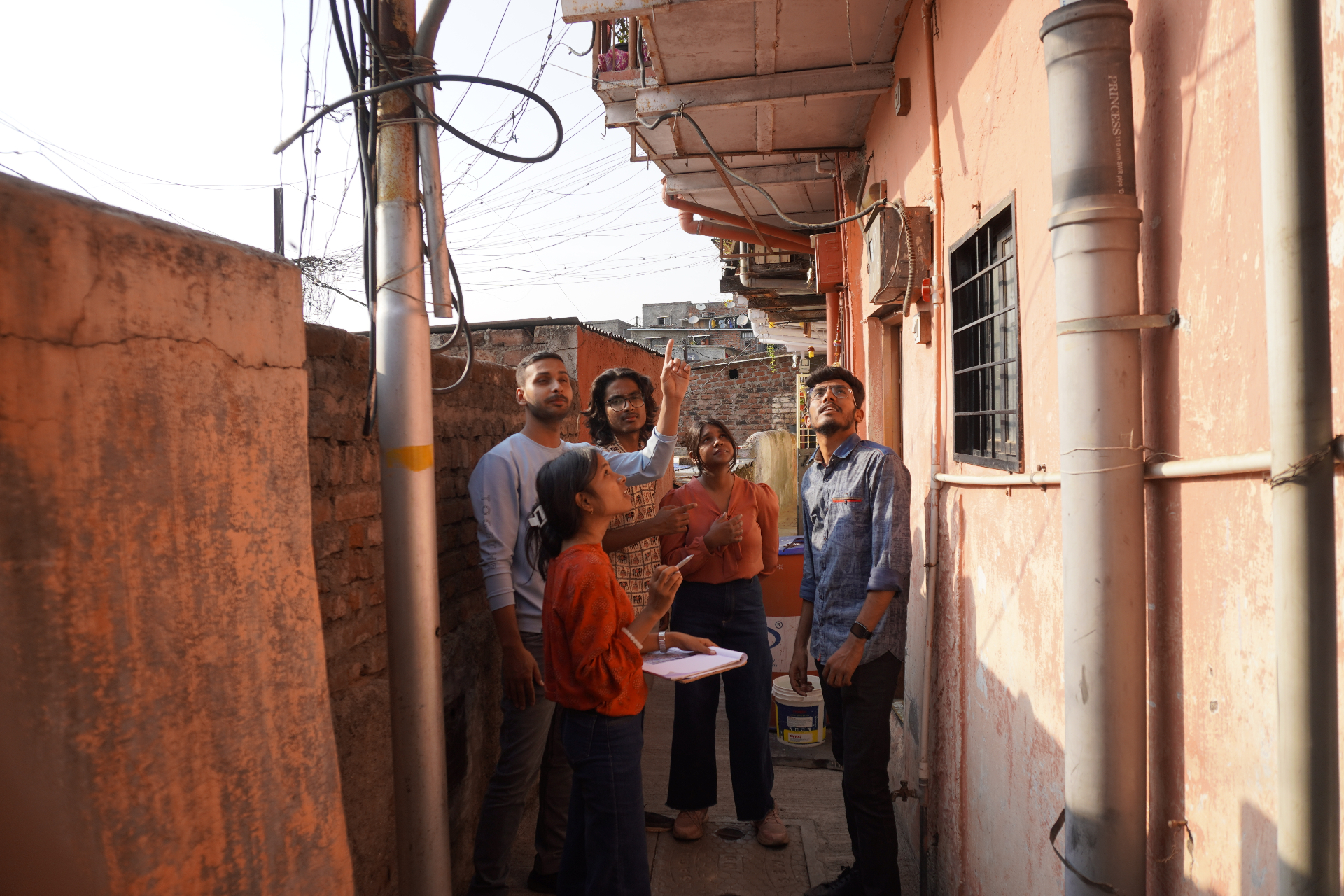
Protecting Communities
Millions of people live and work in buildings that become dangerously hot during heatwaves. Our cooling technologies help lower surface and indoor temperatures, improving comfort, health and productivity.
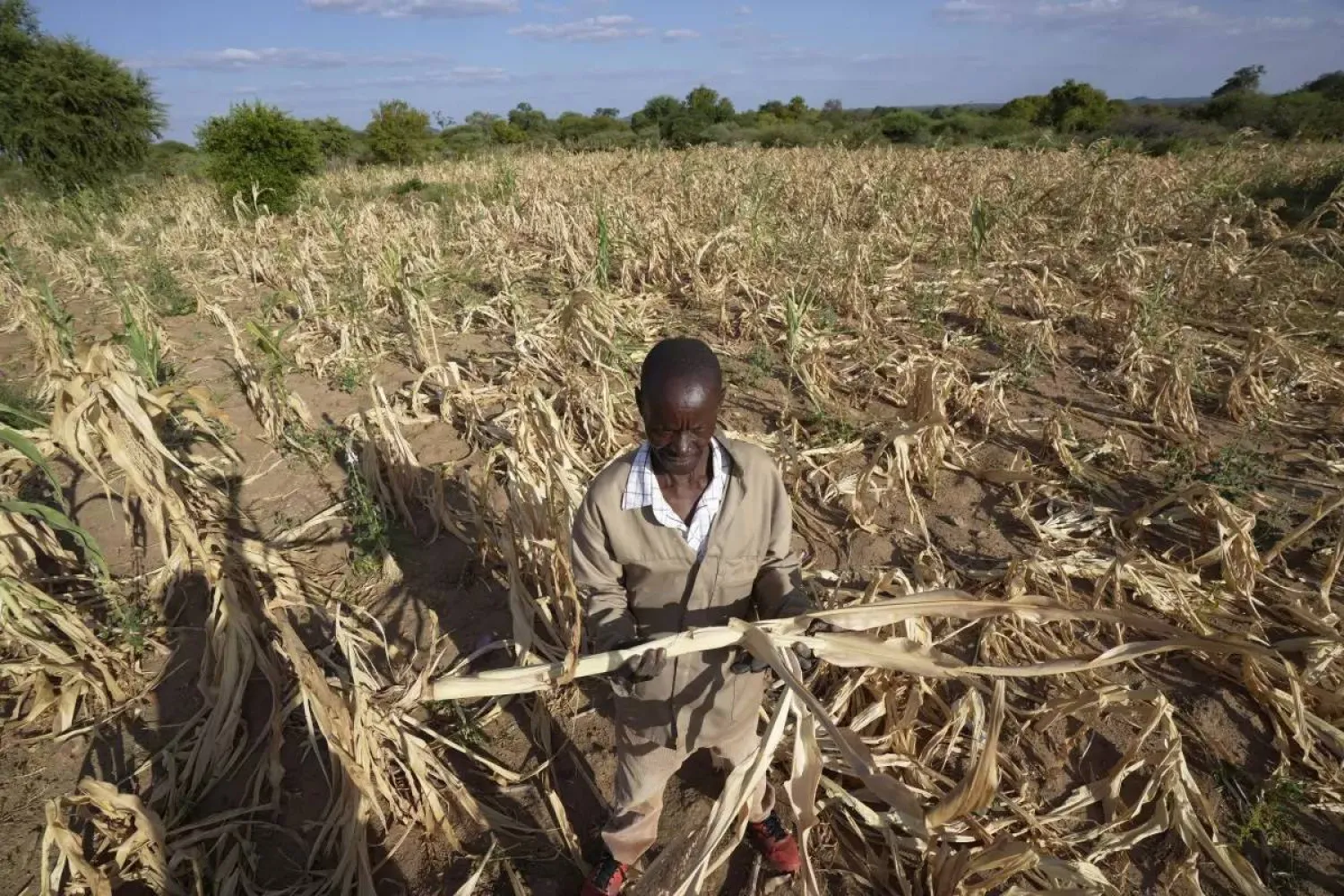
Supporting Food Production
Extreme heat is placing increasing pressure on agriculture, reducing soil moisture and placing crops under stress. MEER is developing sustainable canopy systems that help protect crops from heat, retain moisture in soils and support healthier, more resilient farming.
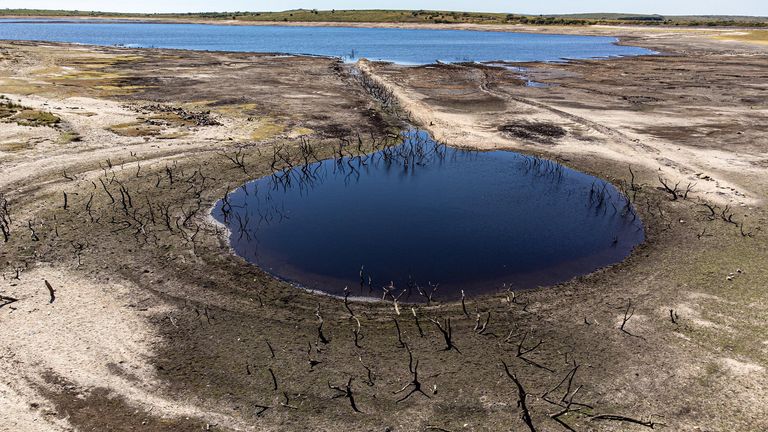
Conserving Freshwater
Reservoirs lose vast amounts of freshwater through evaporation every year, reducing the availability of one of our most precious resources. MEER is developing practical cooling solutions to help reduce water loss and improve long-term water security.
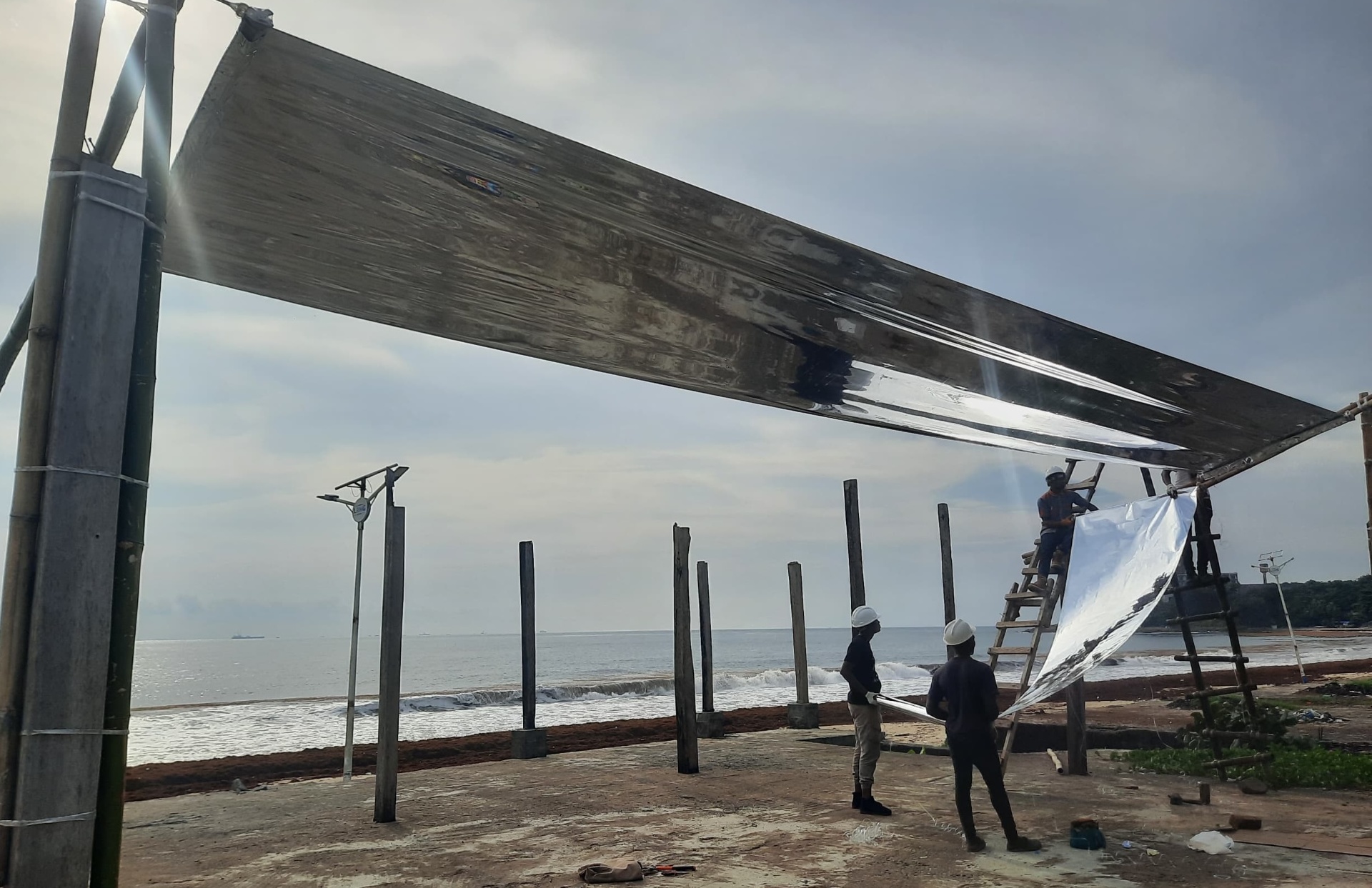
Immediate relief. Measurable impact.
From homes and schools to public spaces, our technologies are delivering measurable cooling where it matters most. Every project helps improve lives today while building the evidence for wider deployment.
Grounded in known physics.
Deployed roof by roof, block by block, in partnership with residents.
Modular components; removable and recyclable at end of life.
Passive surfaces — nothing released into the atmosphere.
People feel the temperature drop the same day the system is installed.
Developing and testing solutions around the world.
MEER works with local partners to develop, test and deploy practical cooling solutions in some of the world's hottest environments. Every project generates valuable scientific data while helping communities adapt to extreme heat.
An evolving research programme based in Pune — reflective rooftop field trials, long-term monitoring, durability testing and next-generation materials research.
Frontline communities in Freetown receive reflective rooftops, shade structures, and community cooling systems.
Engineering partnership advancing next-generation passive daytime radiative cooling materials, reflective composites and the systems needed to scale surface cooling globally.
A long-term demonstration site in Dar es Salaam where reflective rooftop materials installed around two years ago continue to perform well, providing durability evidence for wider deployment.
Investigation of reflective and radiative materials for reducing heat across water systems and urban environments.
Playing muted · use the volume control to unmute
Stories from the communities we serve.
Our work is measured in more than temperature reductions. It's about helping people live, work and learn more safely in a warming world while building practical solutions for the future.
Discover more storiesCooling the world starts locally.
Whether you’re a donor, researcher, policymaker, or community partner, there are many ways to support practical solutions to extreme heat.
Donate
Fund cutting-edge research on extreme heat interventions, including next-generation passive cooling paints (PDRC).
Partner With Us
Install cooling systems where they are needed most and train local teams to build and maintain them.
Subscribe
Get the latest MEERTalks, newsletters, podcasts, and research from MEER field operations.