A simple rooftop experiment: reflective sheets, sunlight and melting ice cream
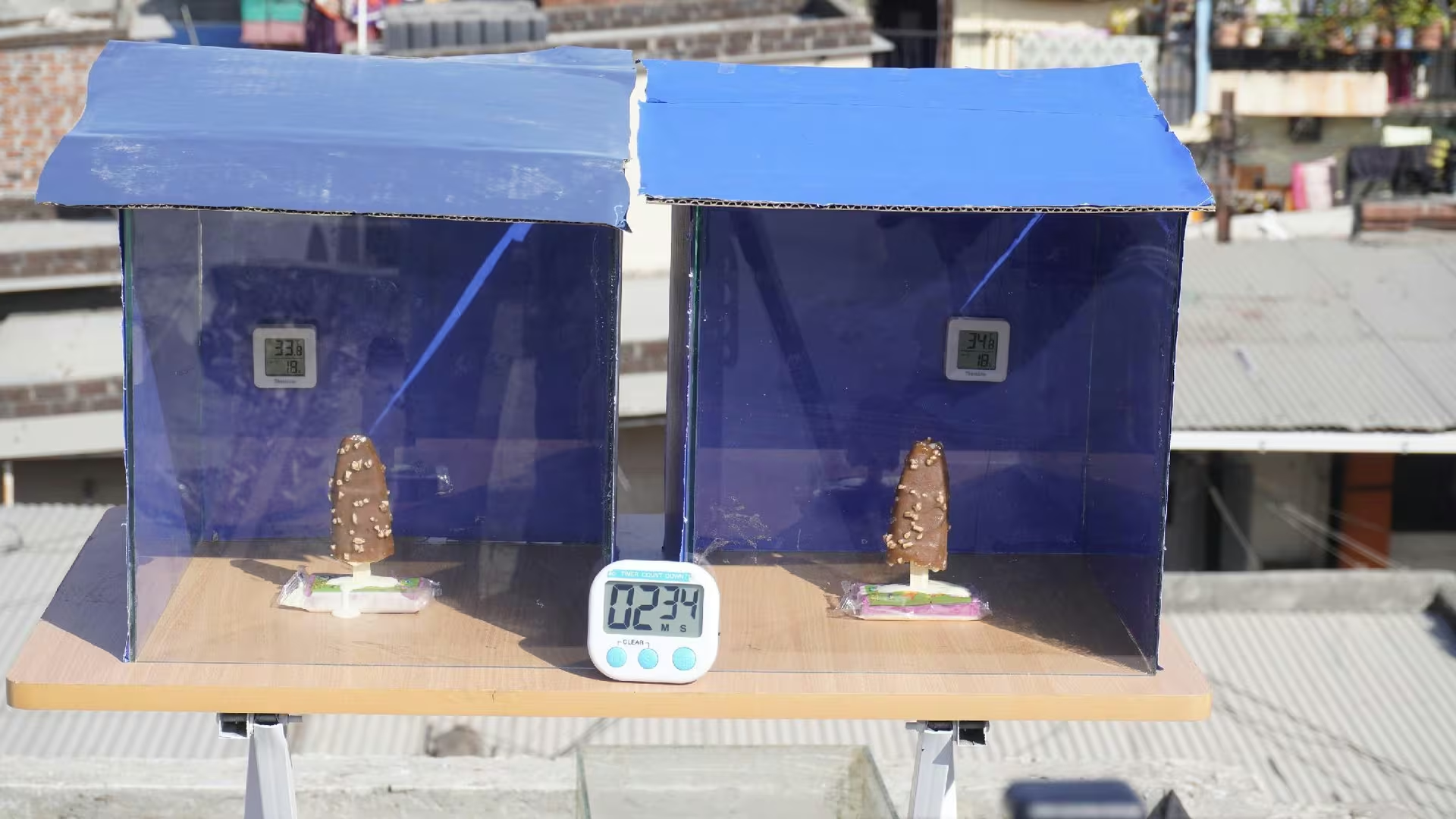
Two identical glass boxes, one topped with MEER reflective sheets and one with a standard roof, produced a clear 1.6–2°C difference in internal temperature — visibly slowing how quickly ice cream melted inside.
As global temperatures continue to rise, one of the most urgent challenges is not only how to generate clean energy, but how to stay cool without consuming more of it. Air conditioning protects health, but it also increases electricity demand, strains power grids and — when powered by fossil fuels — reinforces the very warming it seeks to counter. Passive cooling, grounded in simple physical principles, is essential.
The MEER India team recently carried out a small, hands-on experiment to demonstrate how reflective surfaces reduce heat build-up under real sunlight. Two identical glass boxes were placed side by side outdoors under the same conditions. The only difference between them was the roof: one was covered with MEER reflective sheets, the other with a normal non-reflective roof. Inside each box, ice cream was placed as a visual and thermal indicator.
By keeping every other factor constant, the experiment isolated a single variable: surface reflectivity. The box with MEER's reflective material showed an internal temperature reduction of approximately 1.6–2°C compared to the non-reflective box, and the ice cream inside melted more slowly — visibly demonstrating reduced heat gain.
A difference of a couple of degrees may appear modest, but in thermal science and real-world conditions it is highly meaningful. A reduction of just 1–2°C can lower heat stress on the body, improve indoor comfort, reduce reliance on mechanical cooling, cut peak electricity demand and ease pressure on fragile power systems. When applied across many roofs, walls or surfaces, these reductions compound into significant benefits at neighborhood, city or regional scale.
A glass box, sunlight and melting ice cream showed precisely how reflective surfaces alter the energy balance. Each such experiment helps refine materials, strengthen evidence and communicate why surface-based cooling is a vital and often overlooked component of climate adaptation.