From Freetown to Xi'an: Professor Benjamin Sovacool showcases MEER research at international conference
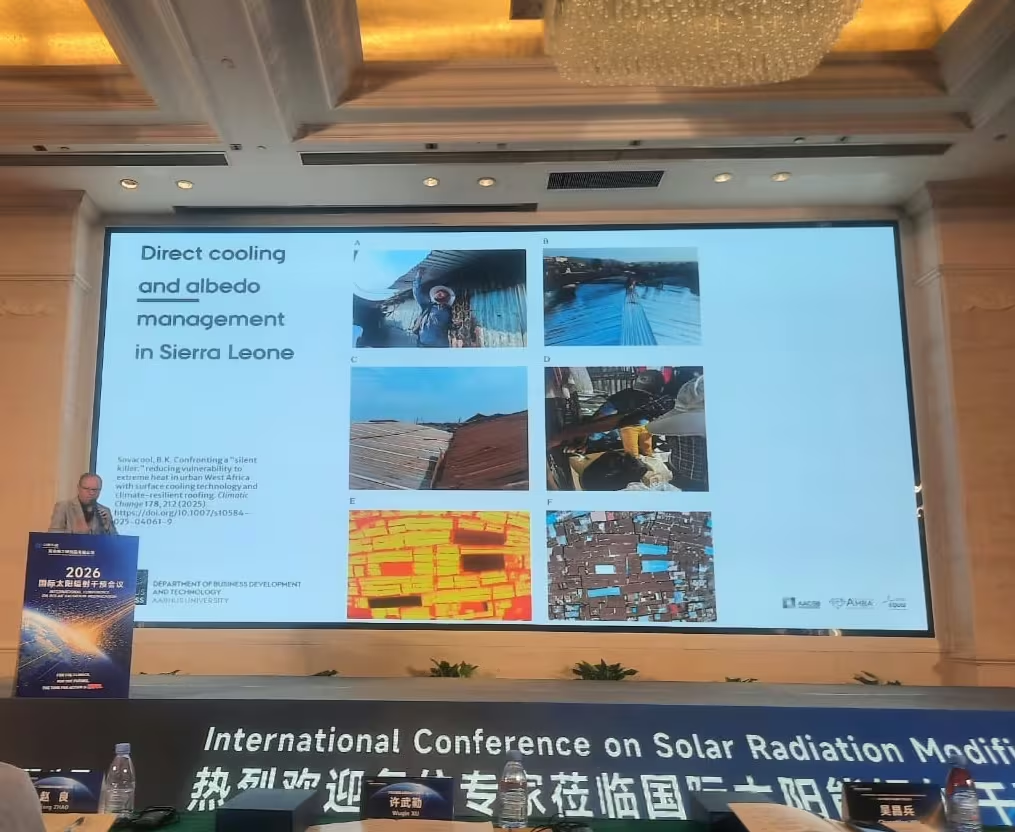
At the 2026 International Conference on Solar Radiation Modification in Xi'an, Professor Benjamin K. Sovacool presented MEER's Sierra Leone research as part of his plenary — bringing work that began in Freetown to one of the world's leading scientific conferences on climate intervention.
In December 2024, Professor Benjamin K. Sovacool traveled to Freetown, Sierra Leone, to visit MEER's experimental cooling projects and learn more about the organization's work on reducing urban heat through reflective surfaces.
During his visit, Professor Sovacool met with MEER Founder and Chief Scientist, Dr. Ye Tao, and spent time at several field sites where the team has been developing and testing practical approaches to lowering temperatures in some of the city's hottest neighbourhoods. The visit included discussions with the research team, demonstrations of the technology, and conversations about the wider challenges of heat, climate resilience and sustainable urban development.
Following the visit, Professor Sovacool authored a paper examining MEER's work and the broader implications of direct cooling and albedo management. His research explored not only the technical aspects of the projects but also the social, economic and policy questions surrounding the deployment of emerging climate interventions.
Now, less than two years later, that work has reached an even wider audience. At the 2026 International Conference on Solar Radiation Modification in Xi'an, China, Professor Sovacool presented MEER's Sierra Leone research as part of his plenary presentation. His slides featured photographs from the Freetown projects and highlighted the organization's work on direct cooling and albedo management, placing it within a broader discussion of climate responses and the governance of emerging technologies.
It is encouraging to see research that began in the communities of Freetown now being discussed at one of the world's leading scientific conferences on climate intervention. The journey from a field visit in Sierra Leone to an international conference stage in China illustrates how practical, on-the-ground projects can contribute to wider scientific and policy discussions.
MEER would like to thank Professor Sovacool for taking the time to visit the projects, engage with the team, and continue highlighting the importance of evidence-based research into innovative approaches for addressing the growing risks posed by extreme heat.